How to Add 240V Outlet for Electric Dryer in Sumter SC
By Sikes Electrical | October 18, 2026 | 8 min read
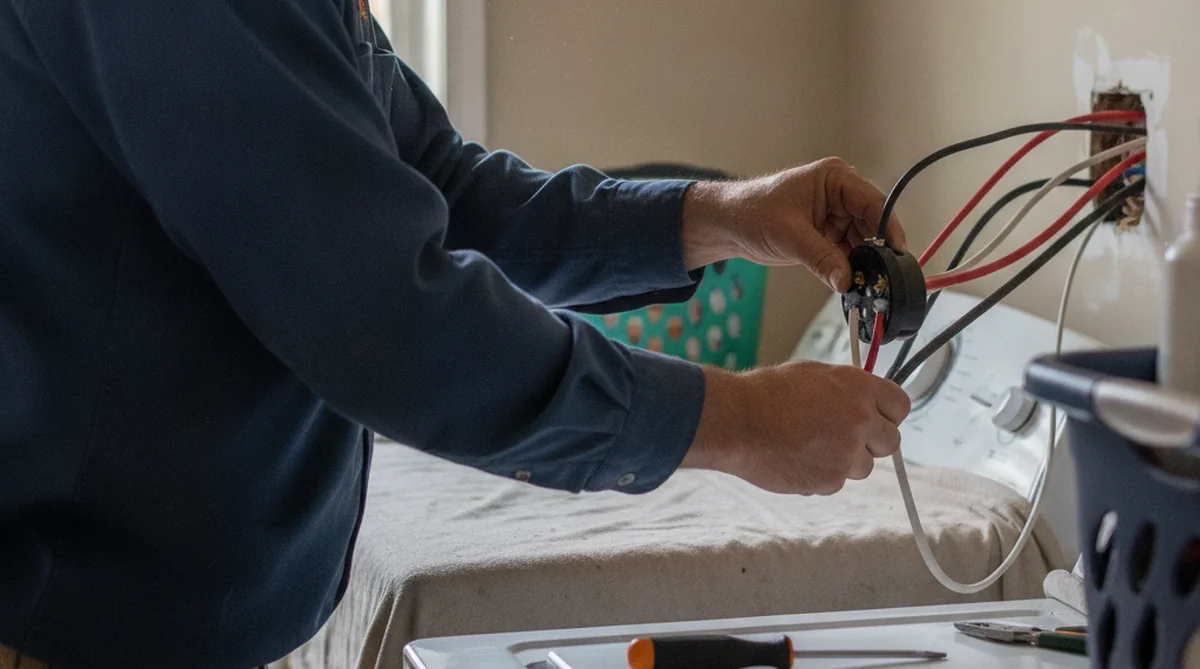
Installing a 240V outlet for an electric dryer in Sumter, SC requires a dedicated circuit with appropriate wire gauge (typically 10/3 for 30-amp service), a properly sized circuit breaker, and a NEMA 14-30 or 14-50 receptacle installed by a licensed electrician to meet National Electric Code and local building requirements.
Understanding 240V Outlet Requirements for Electric Dryers
Electric dryers require a 240-volt outlet because they draw significantly more power than standard 120-volt appliances, typically needing 30 amps of current to generate the heat necessary for drying clothes efficiently. Modern electric dryers use a four-prong outlet configuration (NEMA 14-30R) that includes two hot wires, one neutral wire, and one ground wire, which provides better safety than older three-prong designs. In Sumter and throughout Orangeburg County, local building codes require that all new dryer installations follow current National Electric Code standards, which means upgrading to the four-wire system even if your home has an older three-wire setup.
The electrical panel in your Sumter home must have adequate capacity to support the additional 30-amp circuit without overloading the system. Many older homes in the historic districts of Sumter may have 100-amp or smaller service panels that could require an upgrade before adding a dryer circuit. A licensed local electrician can assess your current electrical capacity and determine whether a panel upgrade is necessary before proceeding with the installation.
Choosing the Right Wire and Breaker Size
For a standard 30-amp electric dryer circuit, you'll need 10-gauge wire with three conductors plus ground (commonly referred to as 10/3 with ground), paired with a 30-amp double-pole circuit breaker in your electrical panel. The wire must be rated for the amperage and run continuously from the panel to the dryer location without any splices or junction boxes, ensuring a safe and code-compliant installation. Some higher-capacity dryers may require a 50-amp circuit with 6-gauge wire, so always check your dryer's specifications before beginning the installation.
The type of wire also matters—in Sumter's climate with hot, humid summers, it's important to use wire with appropriate insulation ratings, and the installation method will determine whether you use NM-B (Romex) cable for interior walls or conduit with THHN/THWN wire for exposed runs in garages or basements. As a licensed local electrician serving residential and commercial properties throughout Orangeburg County, Sikes Electrical ensures all wire selections meet both manufacturer specifications and local code requirements.
Installation Steps for a 240V Dryer Outlet
The installation process begins with turning off the main power at your electrical panel and planning the wire route from the panel to the dryer location, typically in a laundry room, garage, or utility area. After mapping the route, the electrician will drill holes through studs or run conduit as needed, then pull the 10/3 wire from the panel location to the outlet box position at the appropriate height (usually 12-18 inches above the floor behind where the dryer will sit).
Next, the installation involves these key steps:
- Install a dedicated double-pole 30-amp breaker in an available slot in the electrical panel
- Connect the two hot wires (typically black and red) to the breaker terminals
- Connect the white neutral wire to the neutral bus bar
- Connect the bare copper or green ground wire to the ground bus bar
- Secure the wire to the outlet box and connect it to the NEMA 14-30R receptacle
- Mount the receptacle in the wall box and install the cover plate
- Test the circuit with a multimeter to verify proper voltage and that no shorts exist
If you're planning a dryer outlet installation in Sumter, don't risk electrical shock or fire hazards with DIY electrical work. Call Sikes Electrical at (803) 596-3122 for professional installation that meets all safety codes and protects your home.
Permit and Inspection Requirements in Sumter
Any new 240V circuit installation in Sumter requires an electrical permit from the local building department, and the work must be inspected to ensure code compliance before the circuit can be energized for regular use. The permitting process protects homeowners by ensuring that all electrical work meets minimum safety standards and is performed correctly, reducing the risk of electrical fires, shocks, and other hazards. Working with a licensed electrician who is familiar with Sumter and Orangeburg County regulations streamlines this process, as they handle the permit application, perform the work to code, and coordinate the required inspections.
Attempting to install a dryer outlet without proper permits can create problems when selling your home, as unpermitted electrical work must be disclosed and may need to be redone or inspected before closing. Insurance companies may also deny claims for electrical fires or damage if they discover unpermitted work was performed, making the cost of a proper permitted installation a valuable investment in your home's safety and value.
Common Challenges in Sumter Homes
Many homes in Sumter, particularly those built before 1990, present unique challenges when adding 240V circuits, including outdated electrical panels, insufficient service capacity, and lack of available breaker spaces. Older neighborhoods near downtown Sumter and around Shaw Air Force Base often have homes with 60-100 amp service panels that may need upgrading to accommodate modern electrical demands including dryers, HVAC systems, and other high-draw appliances.
Another common issue involves the distance from the electrical panel to the laundry area—homes with panels located on exterior walls opposite from the laundry room require longer wire runs, which increases both material and labor costs. Some Sumter homes also have limited crawl space access or finished walls that make wire fishing more complex. Sikes Electrical specializes in residential and commercial wiring, panel upgrades, EV chargers, generators, and electrical repairs throughout Orangeburg County, bringing the experience needed to overcome these challenges efficiently.
Cost Factors and Timeline
The cost to install a 240V dryer outlet in Sumter typically ranges from $300 to $800 for a straightforward installation, though several factors can affect the final price including wire run distance, panel upgrade needs, wall finishing requirements, and permit fees. A basic installation with a short wire run from a panel with available breaker space and easy wall access will fall on the lower end, while installations requiring panel upgrades, extensive wire runs through finished spaces, or repairs to outdated wiring systems will cost more.
Most dryer outlet installations can be completed in 2-4 hours for standard situations, with an additional day or two for permit processing and inspection scheduling. Panel upgrades add time to the project, typically requiring a separate day for the upgrade work and its own inspection before the dryer circuit can be installed. Planning ahead and scheduling your installation with a professional electrician ensures your new dryer will be up and running as quickly as possible while meeting all safety requirements.
Frequently Asked Questions
Do I need a permit to install a 240V dryer outlet in Sumter, SC?
Yes, installing a new 240V circuit for an electric dryer requires an electrical permit in Sumter and throughout Orangeburg County. A licensed electrician typically handles the permit application and coordinates the required inspection to ensure code compliance.
Can I use a three-prong dryer cord with a new four-prong outlet?
No, modern four-prong outlets (NEMA 14-30R) require a four-prong dryer cord for proper and safe operation. While older dryers with three-prong cords can sometimes be converted, all new installations must use the safer four-wire configuration that includes a separate ground wire.
How far can a 240V dryer outlet be from the electrical panel?
There's no strict distance limit, but longer wire runs increase costs due to additional materials and labor. Wire runs over 100 feet may require larger gauge wire to compensate for voltage drop, which your electrician will calculate based on your specific installation.
Will I need to upgrade my electrical panel to add a dryer circuit?
It depends on your panel's current capacity and available breaker spaces. Homes with 100-amp or smaller service panels, or panels with no available slots, often require an upgrade to safely accommodate a 30-amp dryer circuit along with other household electrical demands.
How long does it take to install a 240V outlet for an electric dryer?
A typical installation takes 2-4 hours for the actual electrical work, plus additional time for permit processing and inspection scheduling. If a panel upgrade is needed, the entire project may take several days to complete properly.
Published October 18, 2026 | Sikes Electrical serves Orangeburg, Sumter, Summerville, Bamberg, Holly Hill, and surrounding counties in the SC Midlands.
Get a Free Estimate
Licensed electrician in Orangeburg County. Call us today for a no-obligation quote.
(803) 596-3122 Free Estimate FormOur Services
- Residential Electrical
- Panel Upgrades
- EV Charger Installation
- Generator Installation
- Lighting
- Electrical Inspections