Breaker Trips in Sumter, SC? Common Causes & Fixes
By Sikes Electrical | 2026-08-07 | 8 min read
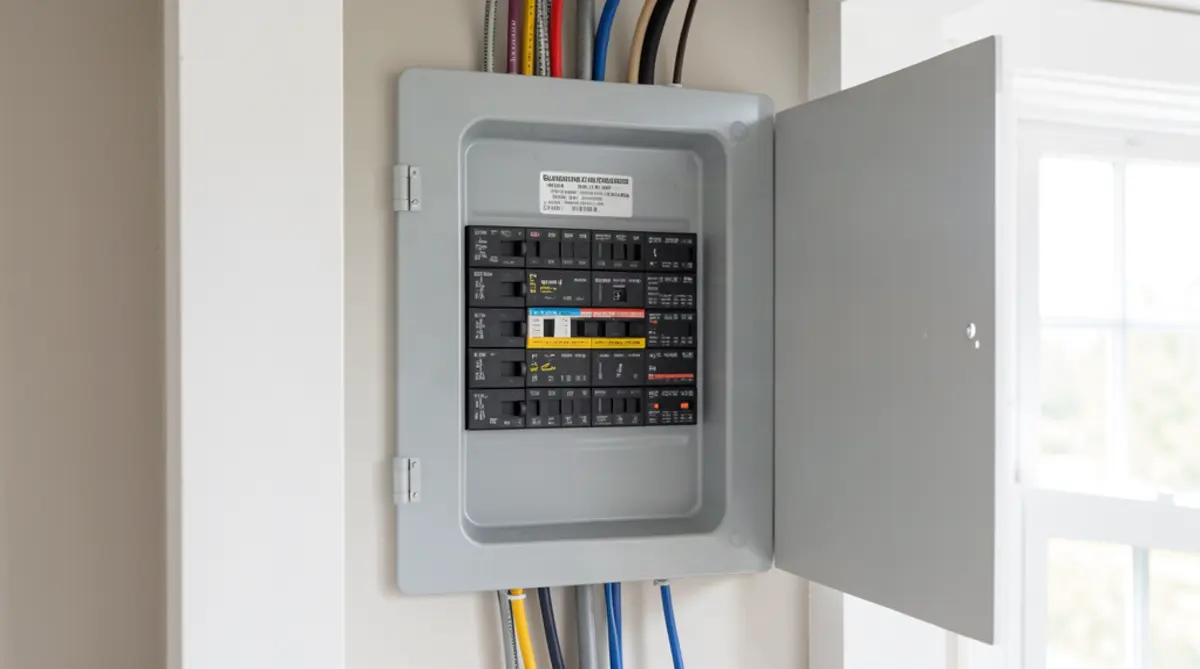
A circuit breaker that keeps tripping is your home's electrical system telling you something is wrong. The most common causes include overloaded circuits, short circuits, ground faults, and arc faults — each requiring a different fix. In Sumter, SC, older homes and newer additions alike experience these issues, especially during the hot summer months when air conditioners run constantly. This guide explains exactly what's happening and when you need a licensed electrician.
What Is a Breaker Trip and Why Does It Happen?
A circuit breaker trips when it detects an electrical fault that could cause overheating, fire, or equipment damage. Think of it as a safety switch that automatically cuts power to protect your home. The moment your breaker detects too much current flowing through the circuit — either from an overload, a short circuit, or a ground fault — it "trips" to the OFF position, stopping electricity flow instantly. Understanding which type of fault you're dealing with is the first step toward fixing it.
In Sumter, SC, many homes were built in the mid-20th century and still have original 100-amp electrical panels. These older systems are more prone to nuisance tripping as modern appliances, home offices, and entertainment systems place higher demands on circuits that were designed for far less electrical load. If you're living in a historic Sumter home near the Sumter County Courthouse or in the Sumter Historic District, your electrical system may need a professional evaluation.
Why Is My Circuit Breaker Tripping? 5 Common Causes
Different types of breaker trips tell you different things about what's wrong. Here are the five most common causes of circuit breaker tripping in Sumter-area homes.
1. Circuit Overload — The Most Common Cause in Sumter Homes
A circuit overload happens when you're trying to draw more electricity through a circuit than it's designed to handle. For example, running a space heater, a microwave, a hair dryer, and a window air conditioner all on the same circuit will almost certainly trip the breaker. This is especially common during Sumter's hot summers when portable AC units and fans are running alongside regular appliances. The fix is simple: redistribute your devices across different circuits, or have an electrician install additional dedicated circuits for high-draw appliances.
2. Short Circuit — Requires Immediate Attention
A short circuit occurs when a "hot" wire touches a "neutral" wire somewhere in the electrical system. This creates a path of zero resistance, causing an enormous surge of current that trips the breaker instantly. Signs of a short circuit include a tripped breaker accompanied by a burning smell, scorch marks around outlets, or a visible spark when plugging something in. Short circuits are dangerous and require immediate attention from a licensed electrician. If you smell burning plastic near an outlet in your Sumter home, shut off the breaker and call Sikes Electrical right away at (803) 596-3122.
3. Ground Fault — A Safety Hazard Near Water
A ground fault happens when a hot wire touches a grounded surface — like a metal outlet box, a water pipe, or the ground wire itself. This is essentially a type of short circuit that diverts electricity through an unintended path. Ground faults are most common in bathrooms, kitchens, laundry rooms, and outdoor outlets where moisture is present. Modern GFCI outlets and AFCI breakers are designed to detect ground faults and trip immediately, often before the main breaker even notices. If your GFCI outlet or AFCI breaker keeps tripping in your Sumter kitchen or bathroom, it's protecting you from potential electrocution.
4. Arc Fault — Detected by Modern AFCI Breakers
An arc fault occurs when damaged, frayed, or loose wires create an electrical arc — a spark that jumps between conductors. These arcs generate intense heat and are a leading cause of electrical fires. Since 2008, the National Electrical Code has required AFCI (Arc Fault Circuit Interrupter) breakers in most residential living areas. If your AFCI breaker keeps tripping for no apparent reason, it could be detecting a dangerous arcing condition in your walls. Older Sumter homes should have an electrical inspection to check for outdated wiring that may arc without your knowledge.
5. Overheating Breaker — Heat and Age Take Their Toll
Breakers can trip simply because they're getting too hot. This is common during Sumter's summer months when electrical panels in attics, garages, or exterior walls heat up. An overheated breaker may trip even when the circuit isn't overloaded. Additionally, breakers wear out after decades of use. If a breaker trips frequently and you've ruled out overloads, shorts, and ground faults, the breaker itself may simply need replacement. A licensed electrician can test the breaker's thermal response and replace it if necessary.
What to Do When Your Breaker Keeps Tripping in Sumter
When your circuit breaker trips, follow these steps safely:
Step 1: Identify which breaker is tripped — look for the switch that's in the middle or OFF position between ON and OFF. It may be slightly offset from the others.
Step 2: Unplug or turn off devices on the affected circuit. This includes lamps, appliances, electronics, and HVAC equipment connected to that circuit.
Step 3: Reset the breaker by firmly pushing the switch all the way to OFF, then back to ON. If it holds, your fix was an overload — redistribute your devices.
Step 4: If the breaker trips again immediately — or trips repeatedly after being reset — you likely have a short circuit, ground fault, or faulty breaker. Do NOT keep resetting it. Call a licensed electrician at (803) 596-3122 for a safe diagnosis and repair.
If you're dealing with frequent breaker trips in your Sumter home, Sikes Electrical provides professional electrical troubleshooting, panel inspections, and repairs throughout Sumter County. Whether your home is near the Shaw Air Force Base, downtown Sumter, or in the historic district, our licensed electricians can identify the root cause and fix it safely.
When to Call a Licensed Electrician for Breaker Problems
While some breaker trips are simple overloads you can fix by redistributing devices, many require professional diagnosis. Call a licensed electrician in Sumter, SC if:
- Your breaker trips immediately after resetting — this suggests a short circuit or ground fault
- You smell burning plastic or see scorch marks near outlets, switches, or the panel
- Multiple breakers are tripping — this could indicate a main panel or service entrance issue
- Your lights flicker or dim when appliances turn on — signs of an overloaded panel that may need upgrading
- You hear buzzing or crackling sounds from outlets, switches, or the breaker panel
- Outlets or switch plates feel warm or hot to the touch
- Your home has an old fuse box instead of circuit breakers — this needs immediate replacement
As a licensed, local electrical contractor serving Sumter and the surrounding SC Midlands, Sikes Electrical provides fast, affordable breaker diagnostics and repairs. We serve the Sumter community with transparent pricing, expert troubleshooting, and same-day service for urgent electrical issues. Call (803) 596-3122 for a free estimate.
Frequently Asked Questions About Breaker Trips
Is it safe to keep resetting a tripped breaker?
No. If a breaker trips repeatedly, there's an underlying issue that needs diagnosis. Constantly resetting a tripped breaker can overheat the wiring, damage the breaker, and increase fire risk. Reset once to test; if it trips again, call a licensed electrician.
Can a bad breaker cause high electric bills?
Yes. A faulty or arcing breaker can waste electricity through heat loss and intermittent connections. If you notice higher-than-normal electric bills alongside frequent breaker trips in your Sumter home, have your panel inspected by a professional electrician.
How do I know if a breaker is bad or just overloaded?
An overloaded breaker usually trips after you turn on multiple devices at once and resets fine after you redistribute the load. A bad breaker trips randomly, trips instantly with minimal load, or won't stay reset even when nothing is plugged in. A licensed electrician can test the breaker with specialized equipment to determine which it is.
Do AFCI breakers trip more often than standard breakers?
Yes, AFCI breakers are more sensitive and can trip from minor arcing that standard breakers would ignore. This includes arcing from worn plugs, loose connections, or even certain vacuum cleaners and power tools. While nuisance tripping can be frustrating, it's safer than undetected arcing that could cause a fire. An electrician can help identify the specific device or wiring issue causing the false trips.
What size breaker does a central AC need in Sumter?
Most central air conditioning systems in Sumter homes require a dedicated 30-amp to 60-amp double-pole breaker, depending on the unit's tonnage and SEER rating. If your AC keeps tripping its breaker, the unit may be drawing too much current due to a failing compressor, dirty coils, or an undersized breaker. Have an HVAC technician and a licensed electrician work together to diagnose AC-related breaker trips.
Can a lightning strike or power surge trip breakers in Sumter?
Yes. Lightning strikes and power surges from the utility grid can trip breakers, damage sensitive electronics, and even weld breaker contacts closed. In South Carolina's storm-prone climate, whole-home surge protectors are highly recommended to protect your electrical panel, appliances, and electronics from surge damage.
Frequently Asked Questions
Is it safe to keep resetting a tripped breaker?
No. If a breaker trips repeatedly, there's an underlying issue that needs diagnosis. Constantly resetting a tripped breaker can overheat the wiring, damage the breaker, and increase the risk of electrical fire. Reset once to test; if it trips again immediately, call a licensed electrician in Sumter for a safe diagnosis.
How do I know if my Sumter home has an overloaded circuit?
An overloaded circuit typically trips the breaker when multiple high-wattage appliances are running simultaneously. In Sumter, this commonly happens when portable air conditioners, space heaters, microwaves, and hair dryers share the same circuit during summer peak usage. If redistributing devices solves the problem, it's an overload. If the breaker still trips, you need professional electrical troubleshooting.
Can old wiring in Sumter homes cause breaker trips?
Yes. Many Sumter homes built before the 1980s have aging electrical wiring that can develop insulation breakdown, loose connections, and corrosion — all of which can cause breakers to trip. Older wiring may also lack proper grounding, making ground faults more likely. A licensed electrician can inspect your Sumter home's wiring and recommend upgrades as needed.
What does it cost to have an electrician diagnose a tripping breaker in Sumter?
Most licensed electricians in Sumter charge a service call fee of $75 to $150 for diagnostic visits, which typically includes inspecting the breaker panel, testing the affected circuit, and identifying the root cause. Repair costs depend on what's found — a simple breaker replacement may cost $150 to $300, while more extensive wiring repairs are quoted per job. Sikes Electrical provides transparent pricing and free estimates for breaker issues in Sumter.
Does Sumter require permits for electrical repairs?
Yes, Sumter County requires permits for most electrical work, including panel replacements, new circuit installations, and major wiring repairs. Minor repairs like replacing a single breaker or outlet typically don't require permits, but any work involving new wiring or panel modifications does. A licensed electrician handles permit applications as part of the job, ensuring all work meets current National Electrical Code standards and passes Sumter County inspection.
Published 2026-08-07 | Sikes Electrical serves Sumter, Orangeburg, Summerville, Bamberg, Holly Hill, and surrounding counties in the SC Midlands.
Get a Free Estimate
Licensed electrician in Sumter County. Call us today for a no-obligation quote.
(803) 596-3122 Free Estimate FormOur Services
- Residential Electrical
- Panel Upgrades
- EV Charger Installation
- Generator Installation
- Lighting
- Electrical Inspections