
How to Install a Surge Protector Panel in Your Sumter, SC Home
By Sikes Electrical | September 20, 2026 | 8 min read
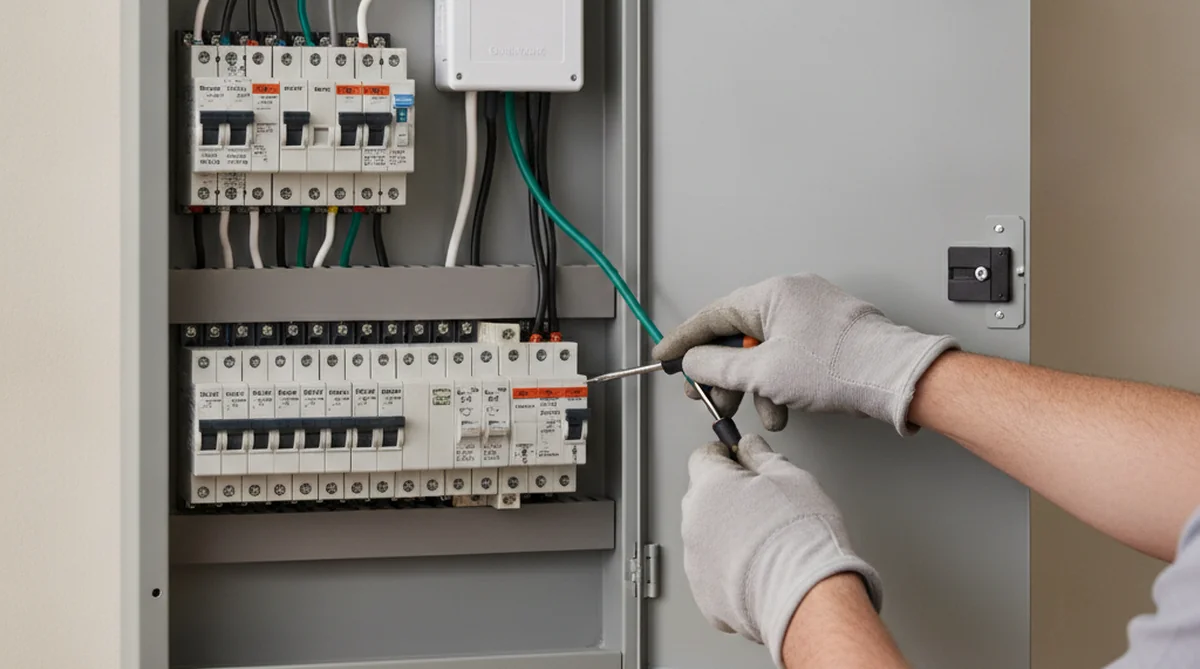
Installing a surge protector panel in your Sumter, SC home requires mounting a whole-house surge protection device at your main electrical panel, connecting it to the bus bars, and establishing proper grounding—a job best performed by a licensed electrician to ensure code compliance and warranty coverage.
What Is a Whole-House Surge Protector Panel and Why Do Sumter Homes Need One
A whole-house surge protector panel is a device installed at your main electrical panel that protects all the circuits in your home from voltage spikes caused by lightning strikes, power grid fluctuations, and large appliance cycling. In Sumter, SC, where summer thunderstorms are frequent and the power grid serves a mix of residential and agricultural loads across Orangeburg County, voltage irregularities can damage sensitive electronics, HVAC systems, and modern appliances that rely on delicate circuit boards.
Unlike individual surge protector power strips that only protect devices plugged into them, a panel-mounted surge protector defends your entire electrical system at the point where utility power enters your home. This comprehensive protection is especially valuable for Sumter homeowners who have invested in smart home technology, high-efficiency HVAC systems, home offices with expensive computer equipment, or EV chargers that represent significant investments.
Assessing Your Electrical Panel for Surge Protector Compatibility
Before installing a surge protector panel, you need to verify that your existing electrical panel has adequate space and capacity to accommodate the device. Most whole-house surge protectors require two adjacent breaker spaces in your panel, though some compact models can fit into a single space or mount externally beside the panel.
Check these compatibility factors:
- Available breaker spaces in your main panel (at least two open slots)
- Panel amperage rating (100-amp, 150-amp, or 200-amp service)
- Panel brand and bus bar configuration (ensures proper surge device fit)
- Grounding system adequacy (proper grounding is essential for surge protection)
- Panel accessibility and working clearance per National Electrical Code requirements
Many older homes in Sumter still have outdated 100-amp panels that may benefit from a panel upgrade before installing surge protection. If you're considering adding an EV charger or generator along with surge protection, a licensed local electrician can evaluate whether your current panel can handle the additional load or if an upgrade is warranted.
Step-by-Step Installation Process for a Surge Protector Panel
Installing a whole-house surge protector involves working inside your main electrical panel with live components, which requires strict safety protocols and professional expertise. The installation process typically follows these steps:
Safety First: Turn off the main breaker to de-energize the panel (note that some components may still be live even with the main breaker off). Verify the panel is de-energized using a non-contact voltage tester, and only licensed electricians should proceed beyond this point.
Mounting the Device: Depending on the surge protector model, either install it in available breaker spaces by snapping it onto the bus bars like a standard circuit breaker, or mount it externally adjacent to the panel with appropriate hardware and conduit connections.
Electrical Connections: Connect the surge protector's hot wire leads to the appropriate bus bars (for 240-volt protection across both legs), attach the neutral wire to the neutral bus bar, and critically important—connect the grounding wire to the grounding bus bar or grounding electrode system.
Testing and Verification: After restoring power, verify the surge protector's indicator lights show proper operation (typically a green LED indicates active protection). Test the device according to manufacturer specifications to confirm it's functioning correctly.
For Sumter homeowners, professional installation ensures your surge protector is properly sized for your service, correctly grounded to handle fault currents, and installed according to South Carolina electrical codes. If you're ready to protect your home's electrical system, call Sikes Electrical at (803) 596-3122 for expert installation by experienced professionals who serve Orangeburg County with residential and commercial wiring expertise.
Choosing the Right Surge Protector for Your Sumter Home
Whole-house surge protectors are rated by their protection level, measured in joules (energy absorption capacity) and clamping voltage (the voltage level at which protection activates). For Sumter homes, selecting a device rated for at least 40,000-80,000 joules with a clamping voltage of 400 volts or less provides solid protection against typical surge events.
Consider these factors when selecting your surge protector:
- Type rating: Type 1 devices install ahead of the main breaker; Type 2 devices (most common for residential) install at the main panel after the breaker
- Response time: Look for nanosecond response times to protect sensitive electronics
- Warranty coverage: Many manufacturers offer connected equipment warranties up to $50,000-$80,000
- Indicator lights: Visual confirmation that protection is active and the device hasn't been compromised
- Replaceable modules: Some models have replaceable protection modules rather than requiring full device replacement after a major surge
A licensed electrician can recommend the appropriate protection level based on your home's specific needs, whether you have standard appliances or high-value equipment like medical devices, home theaters, or EV charging stations.
Maintenance and Monitoring Your Surge Protection System
Once installed, whole-house surge protectors require minimal but important ongoing maintenance to ensure continued protection for your Sumter home. Most quality surge protectors include LED indicator lights that show protection status—a green light typically indicates active protection, while a red light or no light signals the device has been compromised and needs replacement.
Perform these regular maintenance checks:
- Monthly visual inspection of indicator lights to verify protection status
- Annual professional inspection during routine electrical service visits
- Immediate inspection after known surge events (nearby lightning strikes, power outages)
- Documentation of installation date and manufacturer warranty period
Surge protectors don't last forever—they sacrifice themselves to protect your equipment by absorbing surge energy. After a major lightning strike or multiple smaller surges, the protective components can become exhausted and require replacement. In Sumter's climate, where thunderstorms are common during spring and summer months, having a licensed local electrician verify your surge protection annually ensures your investment continues safeguarding your home's electrical systems, panel upgrades, and any installed generators or EV chargers.
Professional Installation vs. DIY: Why Expertise Matters
While some homeowners with electrical experience might be tempted to install a surge protector panel themselves, professional installation offers significant advantages that outweigh the cost savings of DIY approaches. Working inside a main electrical panel involves exposure to high voltages that can cause fatal electrocution, and improper installation can void manufacturer warranties, create fire hazards, or fail to provide adequate protection.
Licensed electricians bring essential expertise including proper sizing calculations, code-compliant installation methods, correct grounding procedures, and the ability to identify panel deficiencies that could compromise surge protection effectiveness. For Sumter homeowners, using a local professional who understands South Carolina electrical codes and regional power quality issues ensures your surge protector installation meets all safety standards and performs optimally during the severe weather events common to Orangeburg County.
Professional installation also provides documentation for insurance purposes and ensures any manufacturer warranties remain valid—many surge protector warranties require installation by a licensed electrician and may offer substantial connected equipment coverage that DIY installation would forfeit.
Frequently Asked Questions
How much does it cost to install a whole-house surge protector in Sumter, SC?
Professional installation of a whole-house surge protector in Sumter typically costs between $300-$600, including the device and labor. The exact price depends on the surge protector model selected, your panel's accessibility, and whether any panel modifications are needed to accommodate the device.
Will a whole-house surge protector protect against direct lightning strikes?
Whole-house surge protectors can protect against indirect lightning strikes and the surges they create in power lines, but cannot fully protect against direct strikes to your home. For comprehensive lightning protection, a dedicated lightning protection system with grounding rods should be combined with surge protection at the electrical panel.
How long does a whole-house surge protector last?
A quality whole-house surge protector typically lasts 5-10 years under normal conditions, but its lifespan depends on the number and severity of surge events it handles. After major surge events like nearby lightning strikes, the device should be inspected and may need replacement even if still showing a protection indicator light.
Do I still need plug-in surge protectors if I have a whole-house system?
Yes, using point-of-use surge protector power strips in addition to whole-house protection provides layered defense for your most sensitive and valuable electronics. The whole-house unit handles large surges while plug-in protectors address smaller surges and electrical noise that can still reach individual devices.
Can a surge protector panel be added to any electrical panel?
Most modern electrical panels can accommodate surge protector installation, but the panel must have available breaker spaces and adequate grounding. Older panels, especially those with outdated designs or insufficient capacity, may require upgrading before surge protection can be properly installed.
Published September 20, 2026 | Sikes Electrical serves Orangeburg, Sumter, Summerville, Bamberg, Holly Hill, and surrounding counties in the SC Midlands.
Get a Free Estimate
Licensed electrician in Orangeburg County. Call us today for a no-obligation quote.
(803) 596-3122 Free Estimate FormOur Services
- Residential Electrical
- Panel Upgrades
- EV Charger Installation
- Generator Installation
- Lighting
- Electrical Inspections