
AFCI vs. GFCI Breakers: What Bamberg SC Homeowners Need to Know
By Sikes Electrical | June 07, 2026 | 8 min read
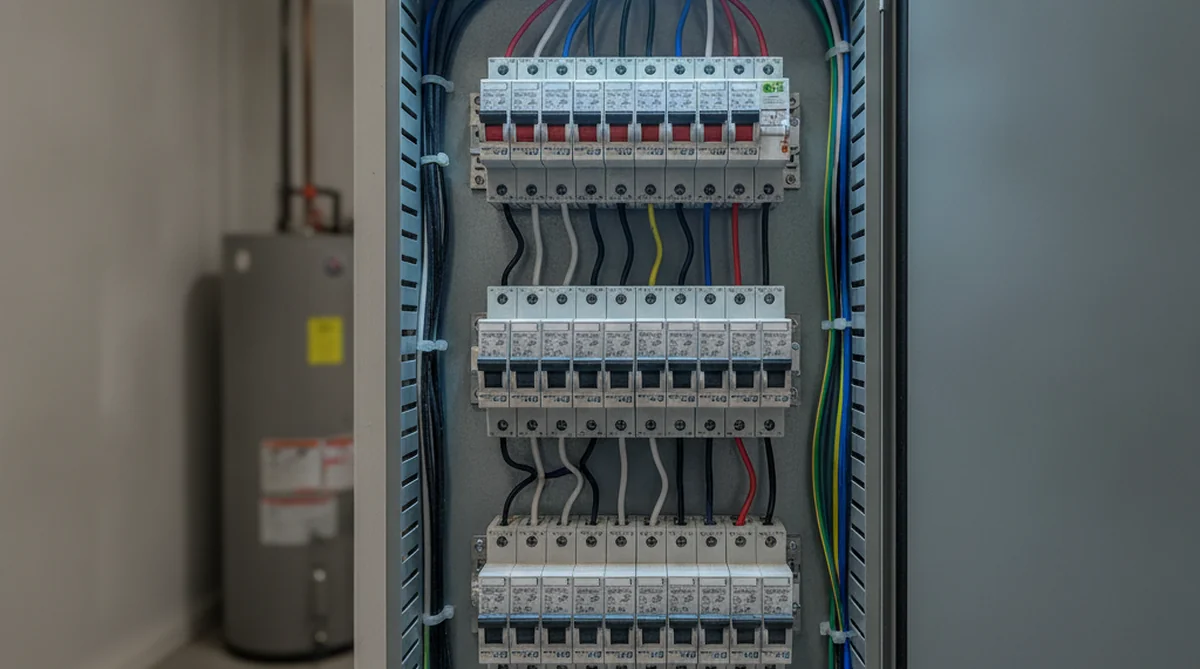
AFCI (Arc Fault Circuit Interrupter) breakers protect against electrical fires caused by arcing faults in wiring, while GFCI (Ground Fault Circuit Interrupter) breakers prevent electric shocks by detecting current imbalances. Bamberg SC homeowners need both types of protection in different areas of their homes to meet current electrical codes and ensure family safety.
What Are GFCI Breakers and Where Do You Need Them in Bamberg Homes?
GFCI breakers are designed to protect people from electrical shock by monitoring the flow of electricity and shutting off power within milliseconds when they detect a ground fault. These devices are essential in areas where water and electricity may come into contact, making them critical safety features in Bamberg homes where humidity levels can be high year-round.
According to the National Electrical Code (NEC), GFCI protection is required in:
- Bathrooms and powder rooms
- Kitchens, particularly outlets serving countertop areas
- Laundry rooms and utility sinks
- Garages and unfinished basements
- Outdoor outlets and areas exposed to weather
- Crawl spaces and areas below grade level
Many older homes in Bamberg's historic neighborhoods may not have adequate GFCI protection installed. If your home was built before the 1990s, it's worth having a licensed local electrician inspect your electrical system to ensure compliance with current safety standards.
How Do AFCI Breakers Protect Your Bamberg Home From Electrical Fires?
AFCI breakers protect against electrical fires by detecting dangerous arcing conditions in your home's wiring that standard breakers cannot identify. These arc faults can occur when wiring becomes damaged, loose, or deteriorated—common issues in Orangeburg County homes that experience temperature fluctuations, settling foundations, and the occasional severe weather event.
Arc faults are particularly dangerous because they can generate temperatures over 10,000 degrees Fahrenheit, enough to ignite surrounding materials like wood framing and insulation. Unlike regular circuit breakers that only trip during overloads or short circuits, AFCI breakers use advanced electronics to recognize the unique signature of a dangerous arc and disconnect power before a fire can start.
Since 2002, the NEC has required AFCI protection in bedrooms, and requirements have expanded with each code update. Current code requires AFCI protection in virtually all living spaces including bedrooms, living rooms, dining rooms, family rooms, dens, closets, hallways, and similar areas. If you're planning any electrical work or renovations in Bamberg, call Sikes Electrical at (803) 596-3122 to ensure your project meets all current code requirements for AFCI protection.
Can You Use Combination AFCI/GFCI Breakers in Bamberg Homes?
Yes, combination AFCI/GFCI breakers provide both arc fault and ground fault protection in a single device, making them an excellent solution for certain applications in Bamberg homes. These dual-function breakers are particularly useful in locations that require both types of protection, such as laundry rooms, unfinished basements with living space potential, and kitchen circuits.
The 2020 NEC introduced requirements for both AFCI and GFCI protection in certain areas, making combination breakers increasingly important for code compliance. While these breakers cost more than standard AFCI or GFCI breakers alone, they can be more economical than installing separate protection devices and save valuable space in your electrical panel.
For homeowners in Bamberg considering panel upgrades or adding new circuits, combination breakers offer future-proof protection that exceeds minimum code requirements. This is especially valuable in older homes where existing wiring may be approaching the end of its service life.
When Does Your Bamberg Home Need a Panel Upgrade for AFCI or GFCI Protection?
Your Bamberg home may need a panel upgrade if your current electrical panel is too old to accommodate modern AFCI or GFCI breakers, which is common in homes built before 1990. Older panels, particularly Federal Pacific, Zinsco, and some older Challenger panels, may not be compatible with today's safety devices and could pose safety risks themselves.
Signs you need a panel upgrade include:
- Your panel still uses fuses instead of circuit breakers
- The panel is labeled as Federal Pacific Electric (FPE) or Zinsco
- You have no available slots for additional breakers
- Your home's electrical service is less than 100 amps
- You're adding major electrical loads like an EV charger or whole-house generator
- Breakers trip frequently or don't stay reset
As a licensed local electrician serving homes throughout Orangeburg County, Sikes Electrical specializes in panel upgrades that bring older Bamberg homes up to current safety standards. Modern panels provide the capacity and compatibility needed for AFCI and GFCI breakers while also supporting today's electrical demands including EV chargers, generators, and modern appliances.
What's the Cost Difference Between AFCI and GFCI Breakers in Bamberg?
AFCI and GFCI breakers typically cost significantly more than standard circuit breakers, but the investment in safety is worthwhile for Bamberg homeowners. A standard circuit breaker might cost $5-15, while GFCI breakers generally range from $40-70, and AFCI breakers run $30-60 depending on the amperage and manufacturer.
Combination AFCI/GFCI breakers are the most expensive option, typically ranging from $60-100 per breaker. However, when you factor in the cost of installation labor, using one combination breaker can be more economical than installing separate protective devices. The total cost for professional installation will also include the electrician's time, which varies depending on panel accessibility and complexity of the work.
For Bamberg homeowners, it's important to remember that these breakers aren't optional luxuries—they're essential safety devices required by code in specific locations. When budgeting for electrical repairs, panel upgrades, or renovations, work with an experienced electrician who can help you prioritize which circuits need upgraded protection first if budget is a concern.
How to Test AFCI and GFCI Breakers in Your Bamberg Home
Regular testing of your AFCI and GFCI protection devices ensures they'll work properly when needed, and Bamberg homeowners should make this a routine part of home maintenance. Both AFCI and GFCI breakers have built-in test buttons that should be pressed monthly to verify proper operation.
To test these breakers, simply press the test button—the breaker should trip immediately, cutting power to that circuit. Then reset the breaker by switching it fully to the off position before returning it to on. If the breaker doesn't trip when tested, or won't reset properly, it needs to be replaced by a qualified electrician.
GFCI outlets (as opposed to breakers) also have test and reset buttons and should be tested the same way. Keep in mind that GFCI devices can wear out over time, and the Electrical Safety Foundation International recommends replacing them every 10-15 years even if they still appear to function.
If you're unsure about the age or proper function of your home's electrical protection devices, Sikes Electrical provides comprehensive electrical system inspections for Bamberg area homes. Our team can evaluate your current protection, identify any code violations or safety concerns, and provide clear recommendations for upgrades or repairs including wiring, panel upgrades, and installation of proper AFCI and GFCI protection throughout your home.
Frequently Asked Questions
Do I need both AFCI and GFCI breakers in my Bamberg home?
Yes, most Bamberg homes need both types of protection in different locations. GFCI breakers are required in wet areas like bathrooms, kitchens, and outdoor outlets, while AFCI breakers are required in living spaces including bedrooms, living rooms, and hallways. Some areas may require combination AFCI/GFCI breakers to meet current electrical codes.
Will AFCI breakers work in my older Bamberg home's electrical panel?
AFCI breakers may not be compatible with electrical panels manufactured before 1990, particularly Federal Pacific, Zinsco, or older panels. If your panel cannot accommodate AFCI breakers, you'll likely need a panel upgrade to meet current code requirements. A licensed electrician can evaluate your specific panel and recommend appropriate solutions.
Why does my AFCI breaker keep tripping in my Bamberg home?
AFCI breakers may trip due to actual arc faults in damaged wiring, loose connections, or incompatible devices on the circuit like some older appliances, dimmer switches, or power tools. A qualified electrician should investigate frequent tripping to determine whether it's a nuisance trip or a legitimate safety concern requiring wiring repairs.
Can I install AFCI and GFCI breakers myself in Bamberg?
While technically possible for experienced DIYers, working inside an electrical panel is extremely dangerous and carries risk of electrocution or fire if done incorrectly. South Carolina requires permits for most electrical work, and insurance companies may deny claims for damage caused by unpermitted DIY electrical work. It's safest and most cost-effective to hire a licensed electrician for breaker installation.
How long do AFCI and GFCI breakers last in South Carolina's climate?
Quality AFCI and GFCI breakers typically last 10-15 years under normal conditions, though South Carolina's heat and humidity can affect electronics over time. You should test these breakers monthly and replace them if they fail to trip during testing, won't reset properly, or show signs of damage. Regular testing helps ensure your protection devices will function when needed.
Published June 07, 2026 | Sikes Electrical serves Orangeburg, Sumter, Summerville, Bamberg, Holly Hill, and surrounding counties in the SC Midlands.
Get a Free Estimate
Licensed electrician in Orangeburg County. Call us today for a no-obligation quote.
(803) 596-3122 Free Estimate FormOur Services
- Residential Electrical
- Panel Upgrades
- EV Charger Installation
- Generator Installation
- Lighting
- Electrical Inspections